
In today’s digital-first world, customers expect brands to understand them. Generic marketing messages no longer work in an environment where users are constantly exposed to ads, emails, and notifications. Modern consumers want relevant, timely, and personalized experiences—and this is where user data-driven marketing becomes a game-changer.
Personalized marketing uses customer data to deliver tailored messages, offers, and experiences based on individual preferences, behaviors, and needs. When done right, it increases engagement, builds trust, and significantly improves conversion rates.
At Digital Anjalee, we help brands turn raw data into meaningful customer experiences that drive measurable growth.
What Is Personalized Marketing?
Personalized marketing is the practice of using user data to customize marketing efforts for individual customers or specific audience segments. Instead of sending the same message to everyone, brands deliver content that resonates with each user’s interests and behavior.
Examples of personalized marketing include:
Product recommendations based on browsing history
Personalized email subject lines and content
Location-based offers
Customized website experiences
Retargeting ads based on user actions
The goal is simple: deliver the right message to the right person at the right time.

Why Personalized Marketing Matters in the Digital Age?
With increasing competition and shorter attention spans, personalization is no longer optional—it’s essential.
Personalized marketing helps businesses:
Increase customer engagement
Improve conversion rates
Build stronger brand relationships
Reduce marketing wastage
Enhance customer loyalty and retention
Studies consistently show that users are more likely to interact with brands that recognize their preferences and offer relevant solutions.
Understanding the Types of User Data
1. Demographic Data
This includes basic information such as:
Age
Gender
Location
Language
Occupation
Demographic data helps in creating broad audience segments and location-based campaigns.
2. Behavioral Data
It tracks how users interact with your brand, including:
Website visits and page views
Time spent on pages
Clicks and scroll behavior
Purchase history
Email opens and link clicks
This data is extremely valuable for understanding user intent.
3. Psychographic Data
Psychographic data focuses on:
Interests
Preferences
Lifestyle
Values
Buying motivations
It helps brands create emotionally relevant messaging that resonates deeply with users.
4. Transactional Data
Transactional data includes:
Purchase frequency
Order value
Payment methods
Product preferences
This data is ideal for upselling, cross-selling, and loyalty campaigns.
How to Collect User Data Ethically and Effectively?
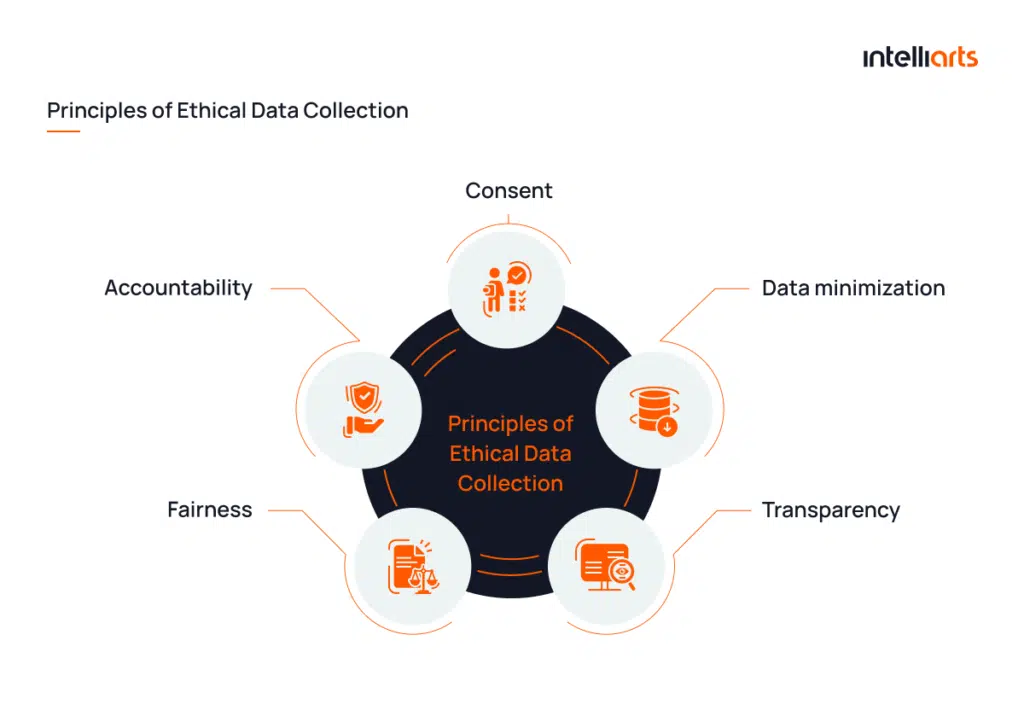
Data collection should always be transparent, ethical, and compliant with privacy regulations.
Common data collection methods include:
Website analytics tools (Google Analytics, heatmaps)
CRM systems
Email subscriptions and forms
Social media insights
Customer surveys and feedback
Cookies and tracking pixels (with consent)
Always inform users how their data will be used and prioritize data security.
Turning User Data into Actionable Insights
Collecting data alone is not enough. The real power lies in analyzing and interpreting data to understand customer behavior.
Key steps include:
Segmenting users based on behavior and preferences
Identifying high-intent users
Understanding drop-off points in the funnel
Tracking engagement patterns across channels
These insights help marketers create targeted strategies instead of guesswork-based campaigns.
Role of Marketing Automation in Personalization
Marketing automation tools help scale personalization without manual effort. These tools can:
Trigger emails based on user actions
Segment audiences automatically
Deliver personalized messages at scale
Track performance in real time
Automation ensures consistency while maintaining a personal touch.
Challenges in Personalized Marketing (and How to Overcome Them)
Some common challenges include:
Data privacy concerns
Incomplete or inaccurate data
Over-personalization that feels intrusive
Technical integration issues
To overcome these:
Be transparent about data usage
Focus on value-driven personalization
Regularly clean and update data
Balance personalization with privacy
The Future of Personalized Marketing
The future of personalized marketing lies in:
AI-driven recommendations
Predictive analytics
Real-time personalization
Omnichannel experiences
As technology evolves, brands that invest in data-driven personalization will stay ahead of the competition.